Don't Fall to health benefits of different millets Blindly, Read This Article
Wiki Article
Millets Types: A Complete Guide to Different Millets and Their Impressive Health Benefits
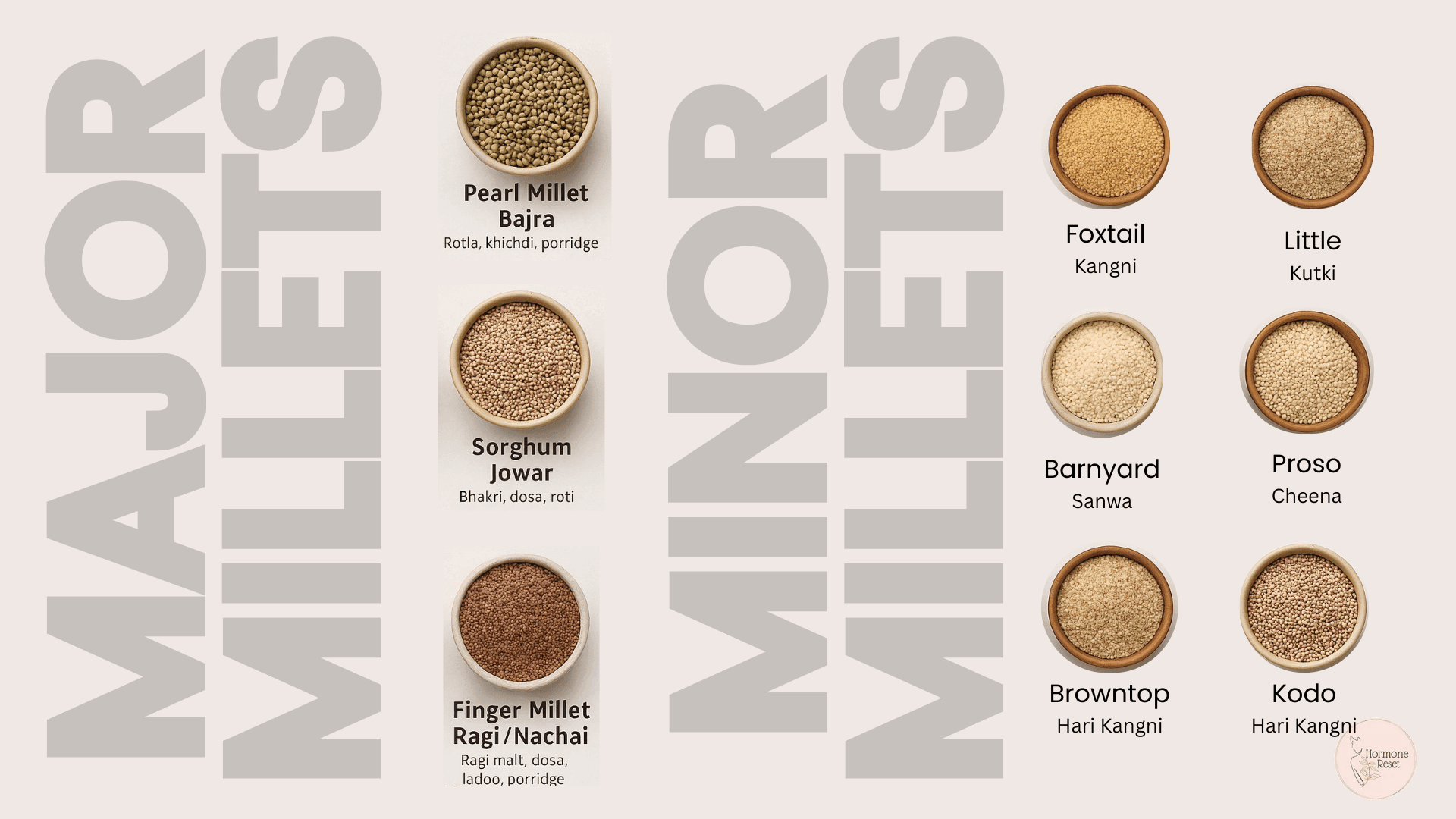
Millets have been a staple in traditional diets for centuries, valued for their resilience, versatility, and impressive nutritional profile. As modern diets shift towards wholesome ingredients, awareness of millets types has increased considerably. From understanding how many types of millets are there to identifying what type of millet is the healthiest, consumers are rediscovering these ancient grains for their remarkable health advantages. This overview highlights the different types of millets and their nutritional values, supporting informed decisions about the best millets for health to suit your lifestyle.
1. Pearl Millet (Bajra)
Across India and Africa, pearl millet is cultivated on a large scale and holds significant dietary importance. Its abundance of protein, fibre, iron, and magnesium positions it firmly among the best millets for health. Valued for enhancing heart function and digestive efficiency, pearl millet further contributes to balanced blood sugar through its low glycaemic index. Among the many types of millets and their benefits, pearl millet stands out for boosting energy and strengthening immunity.
2. Finger Millet (Ragi)
Finger millet, often referred to as ragi, is highly regarded for its remarkable calcium concentration. Consequently, it plays an important role in strengthening bones for both growing children and ageing individuals. Beyond calcium, it supplies key amino acids and antioxidants that contribute to holistic health. When discussing health benefits of different millets, ragi is often highlighted for supporting weight management and improving haemoglobin levels.
3. Foxtail Millet
Foxtail millet is rich in dietary fibre and complex carbohydrates, offering sustained energy release. Many individuals with diabetes favour it for its ability to regulate blood glucose effectively. Within the broader type of millets category, foxtail millet is appreciated for enhancing heart function and improving digestion.
4. Little Millet
Little millet may be small in size, but it offers substantial nutritional value. Its nutritional profile includes B vitamins, iron, and healthy lipids. Within the spectrum of types of millets and their benefits, little millet contributes to nervous system support and cholesterol reduction. Because of its flexibility, it works well in porridges, savoury dishes like upma, and as an alternative to rice.
5. Kodo Millet
Kodo millet is known for its high fibre content and antioxidant properties. It assists in detoxification and promotes gut health. Nutrition experts often classify kodo millet among the best millets for health due to its role in weight management and metabolic regulation. In analysing the different types of millets and their nutritional values, kodo millet stands out for its anti-inflammatory potential.
6. Barnyard Millet
Barnyard millet is especially suitable for individuals looking for low-calorie but nutrient-rich choices. With high iron and fibre content, it is commonly advised for individuals monitoring blood sugar levels. In debates about what type of millet is the healthiest, barnyard millet is often mentioned because of its low carbohydrate levels and digestibility.
7. Proso Millet
A harmonious blend of protein and carbohydrates characterises proso millet. It aids muscle growth and, being naturally gluten-free, suits those with gluten intolerance. As awareness grows type of millets about how many types of millets are there, proso millet is increasingly recognised for promoting cardiovascular health and enhancing energy levels.
8. Sorghum (Jowar)
While occasionally classified independently, sorghum is frequently counted among primary millets types. It contains substantial antioxidants, protein, and fibre. It promotes digestive wellbeing and lowers oxidative stress. Of the many health benefits of different millets, jowar is particularly valued for heart support and steady energy provision.
Pseudo Millets: A Special Category
Apart from conventional varieties, pseudo millets including buckwheat and amaranth are commonly incorporated into diets. Despite not being true millets from a botanical perspective, they offer similar health benefits and are frequently included in the same category. Their protein richness and mineral density enhance diversity within the wider type of millets group.
How Many Types of Millets Are There?
Determining how many types of millets are there depends largely on the classification method used. Broadly, millets are divided into major millets and minor millets. The major group features pearl millet and sorghum, while the minor group covers finger, foxtail, little, kodo, barnyard, and proso millets. Including pseudo millets broadens the category further. Since each grain provides specific benefits, exploring types of millets with pictures assists consumers in recognising them confidently in shops and kitchens.
What Type of Millet Is the Healthiest?
Determining what type of millet is the healthiest depends on individual dietary goals. For bone strength, finger millet is exceptional due to its calcium content. For diabetes management, foxtail and barnyard millet are preferred. Pearl millet is particularly effective for heart support and increasing iron intake. Rather than focusing on a single grain, incorporating a rotation of different types of millets and their nutritional values ensures a balanced nutrient intake.
Conclusion
These grains deliver a balanced mix of nutrition, eco-friendly cultivation, and versatility. Whether choosing pearl, finger, kodo, or proso, the diversity within millets types supports multiple dietary goals. Awareness of the types of millets and their benefits enables more confident nutritional decisions. By including a variety of these grains in daily meals, you can enjoy the full spectrum of health benefits of different millets while supporting long-term wellness naturally. Report this wiki page